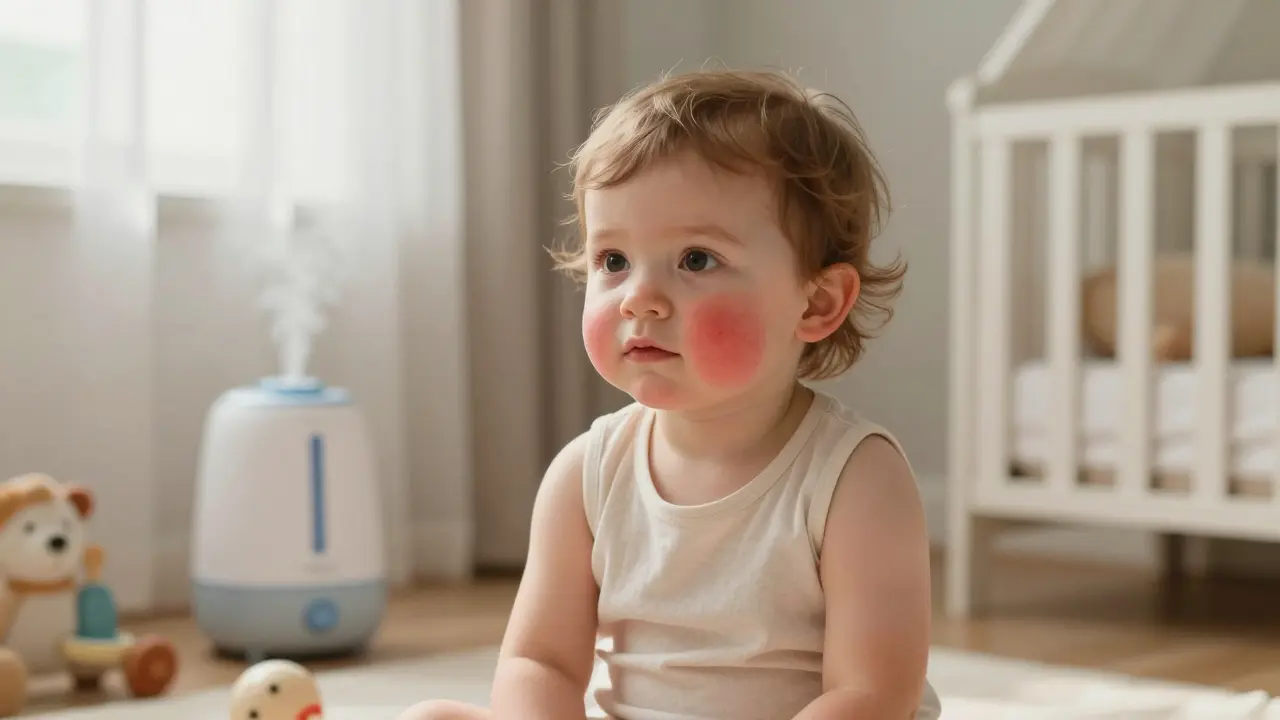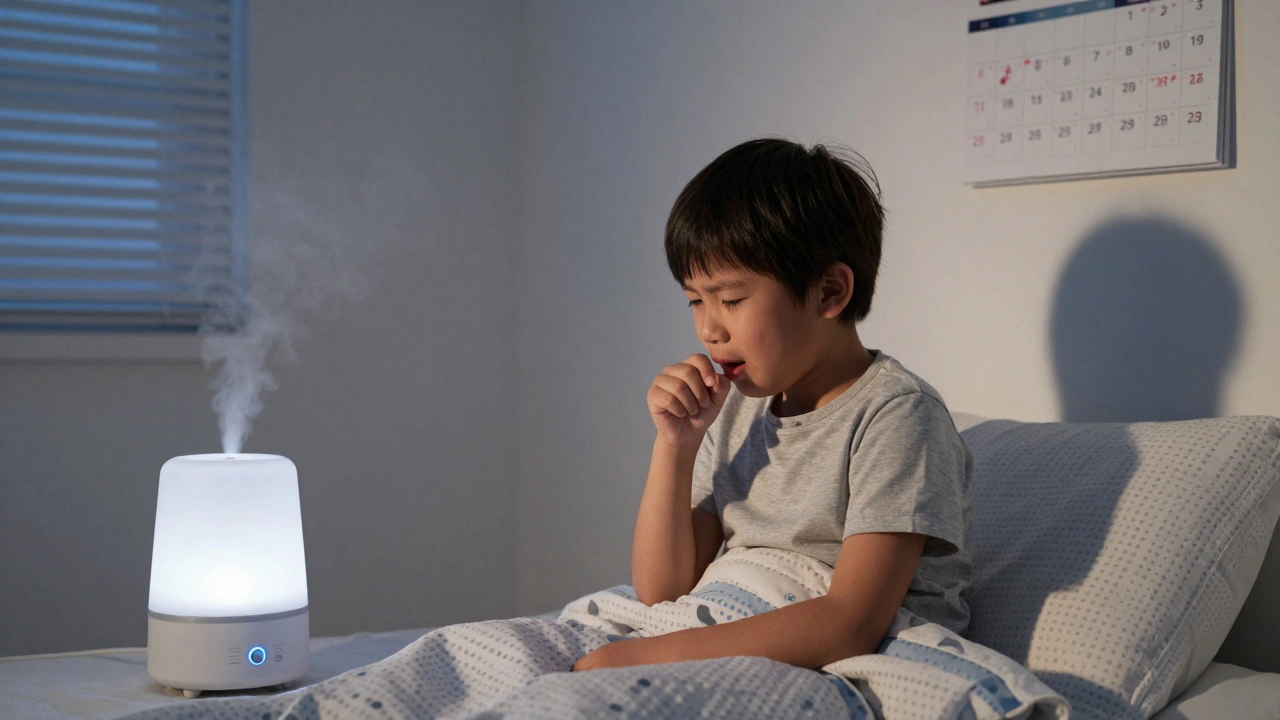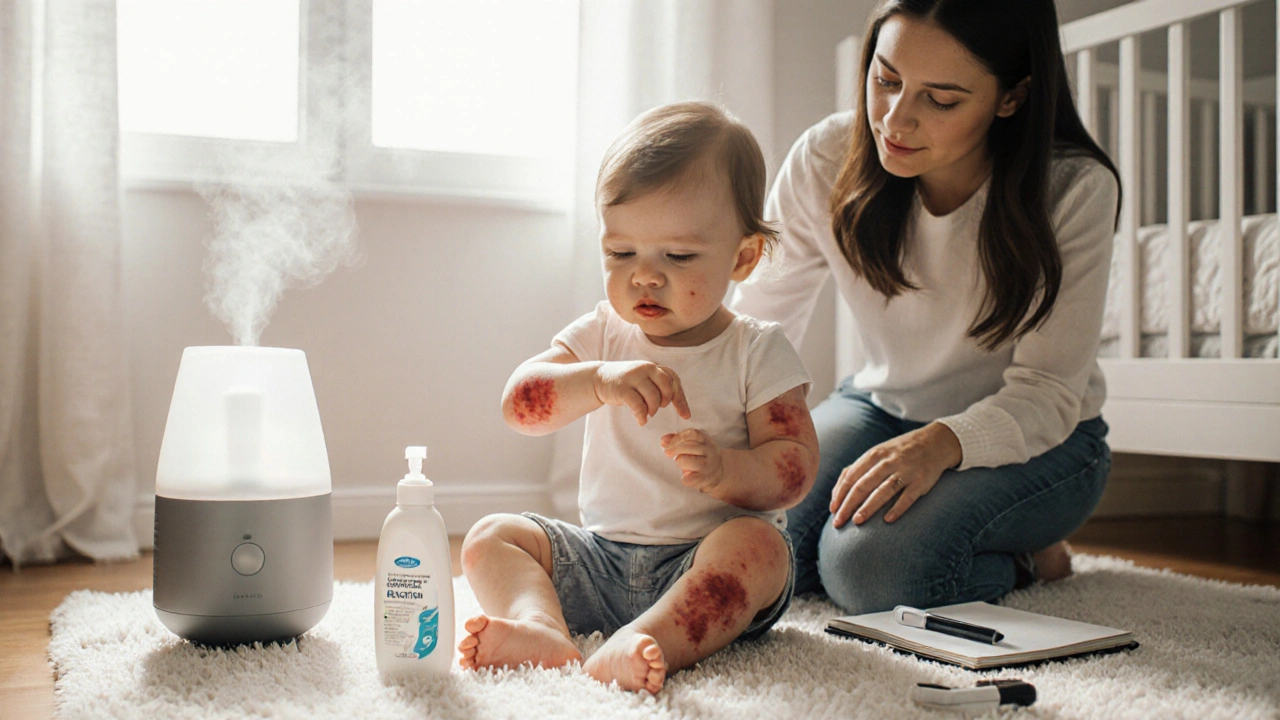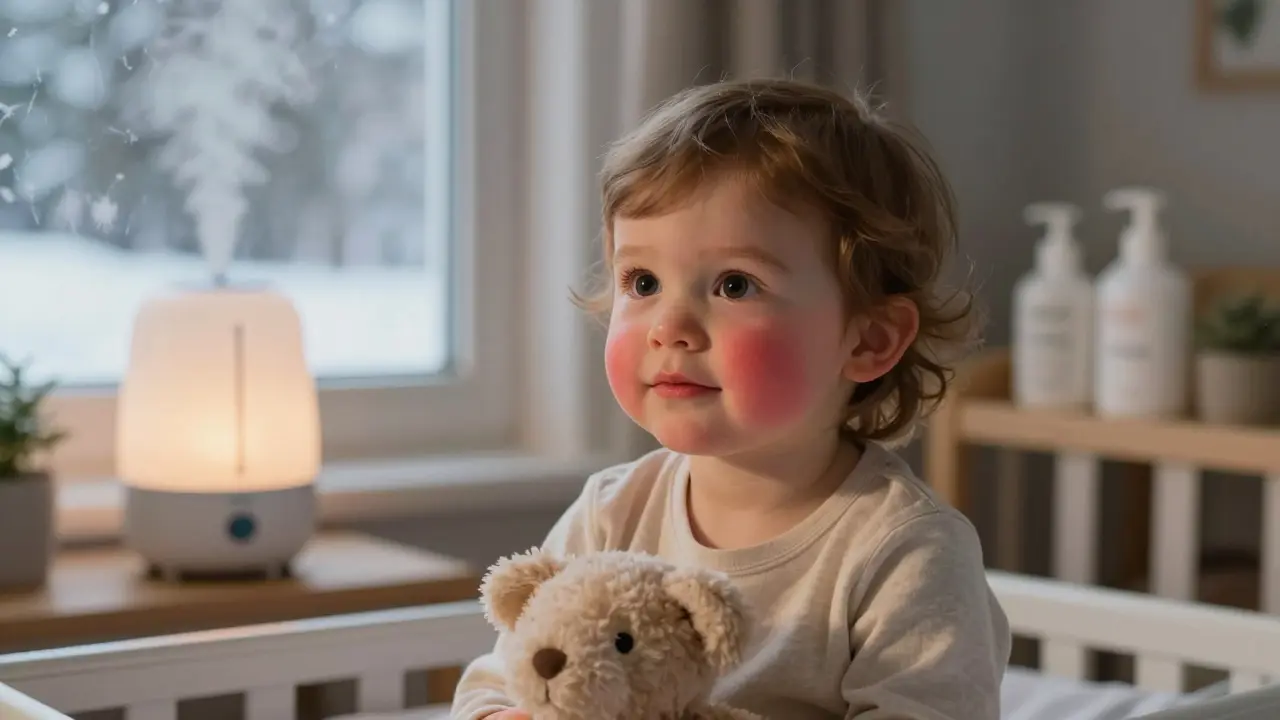

When you see your child sneezing constantly, scratching their skin red, or breaking out in hives after eating strawberries, it’s not just a cold — it could be alergie u dětí, nepřiměřená reakce imunitního systému na obvykle neškodné látky. Also known as alergická reakce, it’s not a sign of weak immunity, but of overactive defense — and it’s more common than you think. One in three children in the Czech Republic shows signs of allergies by age five, and many parents don’t realize what they’re seeing.
Most allergies in kids come from alergény, látky, které imunita nesprávně považuje za nebezpečné — like dust mites, pollen, pet dander, or certain foods. Alergie na potraviny, nejčastěji na mléko, vejce, arašídy nebo pšenici often show up in babies as vomiting, diarrhea, or a rash around the mouth. Environmental allergies, on the other hand, cause runny nose, itchy eyes, or coughing that lasts weeks — not days. And then there’s atopický ekzém, chronické svědění a vyrážka na kůži, často spojená s jinými alergiemi. It’s not caused by dirt, but by a genetic tendency where the skin barrier is weak and easily irritated.
Many parents think allergies appear out of nowhere, but they usually build up over time. A child might eat peanut butter for years with no problem — then suddenly react. Or they might start sneezing every spring, and you assume it’s just the season. But if your child is scratching their elbows at night, has dark circles under their eyes, or gets ear infections after dairy, that’s not normal. These are clues.
You don’t need to test every food or run to an allergist for every sniffle. But if symptoms keep coming back, get worse after meals, or interfere with sleep or play, it’s time to look closer. Allergies aren’t always dramatic. Sometimes they’re quiet — a child who’s always tired, can’t concentrate in kindergarten, or refuses to eat certain foods because their mouth feels funny.
What helps? Avoiding known triggers, using saline nasal rinses for stuffy noses, keeping the home clean and dry, and sometimes using simple creams or antihistamines — but only under guidance. Antibiotics won’t fix allergies. And neither will cutting out gluten if your child isn’t allergic to it. The key is identifying the real cause, not guessing.
In the articles below, you’ll find real-life stories from parents who’ve been there: how they spotted the allergy, what tests helped, what worked (and what didn’t), and when to trust your gut as a parent. You’ll learn how to tell the difference between a cold and an allergy, why some rashes aren’t food-related, and how to safely introduce new foods without fear. No jargon. No scare tactics. Just clear, practical info to help your child breathe easier — and sleep better.