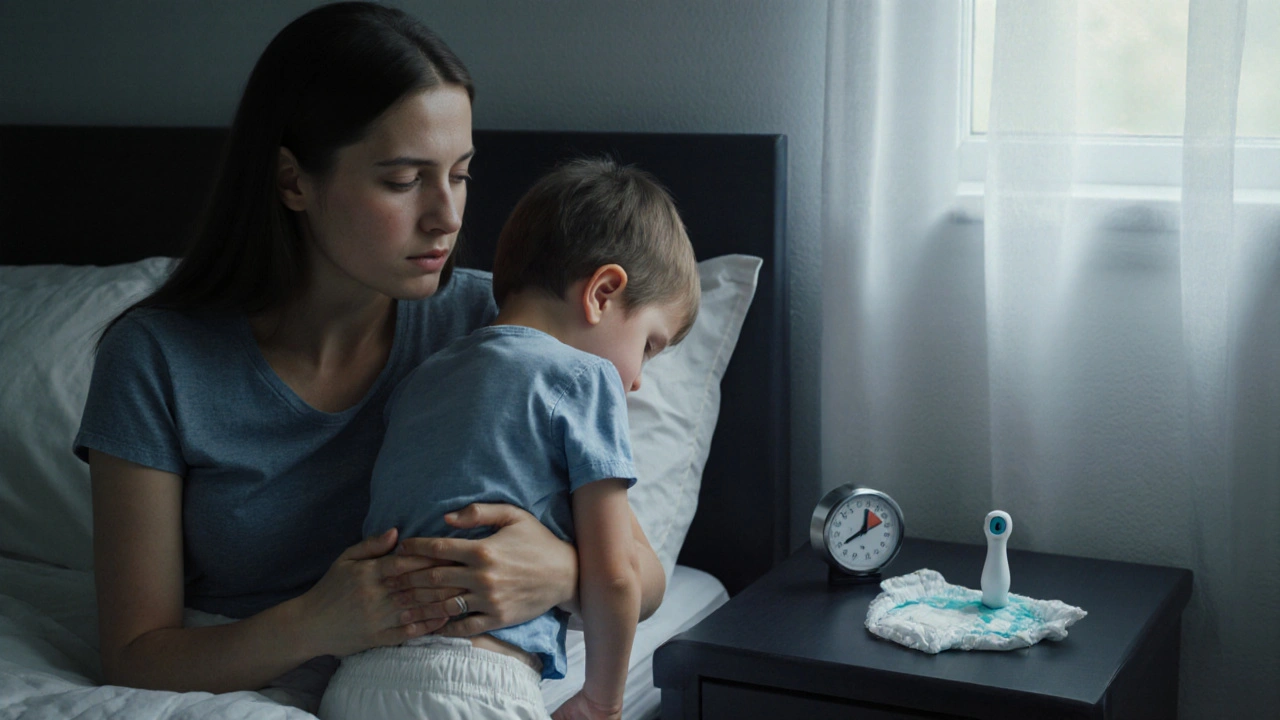

When a child has a zánět ledvin, infekční onemocnění, které postihuje ledviny a často vzniká jako následek nelečeného zánětu močových cest. Also known as pyelonefritida, it is not just a bad fever—it’s a sign that bacteria have climbed up from the bladder and need immediate attention. Many parents think high fever with chills is just a bad cold, but if it comes with pain in the back or belly, vomiting, or foul-smelling urine, it’s likely more serious.
Children under five are especially vulnerable because their urinary system is still developing. A močová cesta, cesta, kterou moč cestuje z ledvin do močového měchýře a ven z těla can get infected easily, especially in girls due to shorter urethras. If your child had a recent urinary tract infection and now has a fever that won’t go down with Paralen, don’t wait. Zánět ledvin doesn’t clear on its own. Left untreated, it can cause permanent kidney damage. The good news? With antibiotics and proper care, most kids recover fully within a week.
Look for these red flags: fever over 38.5°C lasting more than two days, refusal to eat, crying when peeing, or pulling at the lower back. Babies might just be fussy, have bad-smelling diapers, or vomit without other obvious symptoms. Don’t rely on home remedies alone—urine tests and sometimes blood work are needed to confirm the diagnosis. A horečka u dětí, příznak, který tělo používá k boji proti infekci is your body’s alarm system, but when it’s tied to back pain or changes in urination, it’s time to call the doctor.
You’ll find real stories here from parents who’ve been through this—what worked, what didn’t, and how they recognized the warning signs before it got worse. We’ll cover how antibiotics are chosen for kids, why some children need ultrasounds after infection, and what you can do at home to help your child feel better while waiting for the meds to kick in. No fluff. No scare tactics. Just clear, practical advice from a pediatrician who’s seen it all.